Tools and Resources

-
- DNA fingerprinting
- DNA species identification
- Habitat network analysis
- Land use & ecosystem research
- Pest management
- Pesticide efficacy testing
- Plant, tree, soil & water testing
- Social & economic research
- Technical development services
- Technical Services Unit
- Tree health diagnostic & advisory
- Urban trees services
-
ServicesBack
- DNA fingerprinting
- DNA species identification
- Habitat network analysis
- Land use & ecosystem research
- Pest management
- Pesticide efficacy testing
- Plant, tree, soil & water testing
- Social & economic research
- Technical development services
- Technical Services Unit
- Tree health diagnostic & advisory
- Urban trees services
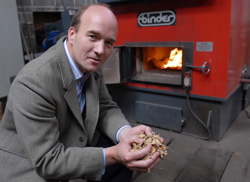 Previously hosted on the Biomass Energy Centre (BEC) website, the resources available on these pages offer the most authoritative information on biomass energy. From advice on equipment to regulatory information, these comprehensive resources have been revamped and are free to our users.